
 …but it almost seemed like it as there was only one panel that lumped all these topics together.
Kristie Ebi provided a whirlwind review of climate change over the past 100,00 years — it was a great example of how to explain clearly really complex modeling processes and to show the conclusive evidence of human impact. The bottom line is that the rate of climate change is speeding up, and some ecosystems, like those at the top of mountain ranges have no where to go. The biggest impacts of climate change will be malnutrition, injury from extreme weather, and increases in diarrheal disease and malaria. Climate change works against all the MDGs and precise events are hard to predict because the impacts are site specific and path dependent…kinda like when you know a tornado is coming but you don’t know where to hide. (Note: hiding under your desk will not protect you from climate change).
Michael Brauer, a Madison native, gave a presentation about megacities and air pollution. He explained that tobacco kills 5 million/year, indoor air pollution kills 2 million, outdoor urban air pollution kills 1 million, and 2/3rdof that mortality is in rapidly urbanizing Asia. There is no correlation between size of city and air pollution, rather the level of development is the best predictor of harm. Examples of good practices were Tokyo, NY and Bangkok, where regulations like roadside inspections, fuel improvements, and other changes have made a difference. Air pollution moves from Asia to California, US to Europe, Europe to Asia. Further, traditional risk factors modern risk factors move and change places, with some environments, like urban slums, bearing a double burden.
Jenna Davis talked about access to water as a success story of the MDG effort. While we are on track with MDG goals, 13% of people do not have access to clean water, defined as 20 liters per person per day, from a source, within 1 kilometer. Further, 40% of the human population does not have access to basic sanitation, that’s 2.7 billion people, with 1 billion practicing open defecation. Davis pointed out that health benefits related to water are linked to household taps–community taps are less effective, because safe water storage and regular use for hand washing are harder to accomplish in that setting. Linking things to climate change, Davis pointed out that increased run off and flooding and open defecation practices are a bad combination. While climate change is one driver, bigger drivers are urbanization, population control, and lifestyle changes.
Thomas Hinckley and Joshua Tewksbury talked about feeding 9 billion people in an uncertain world.
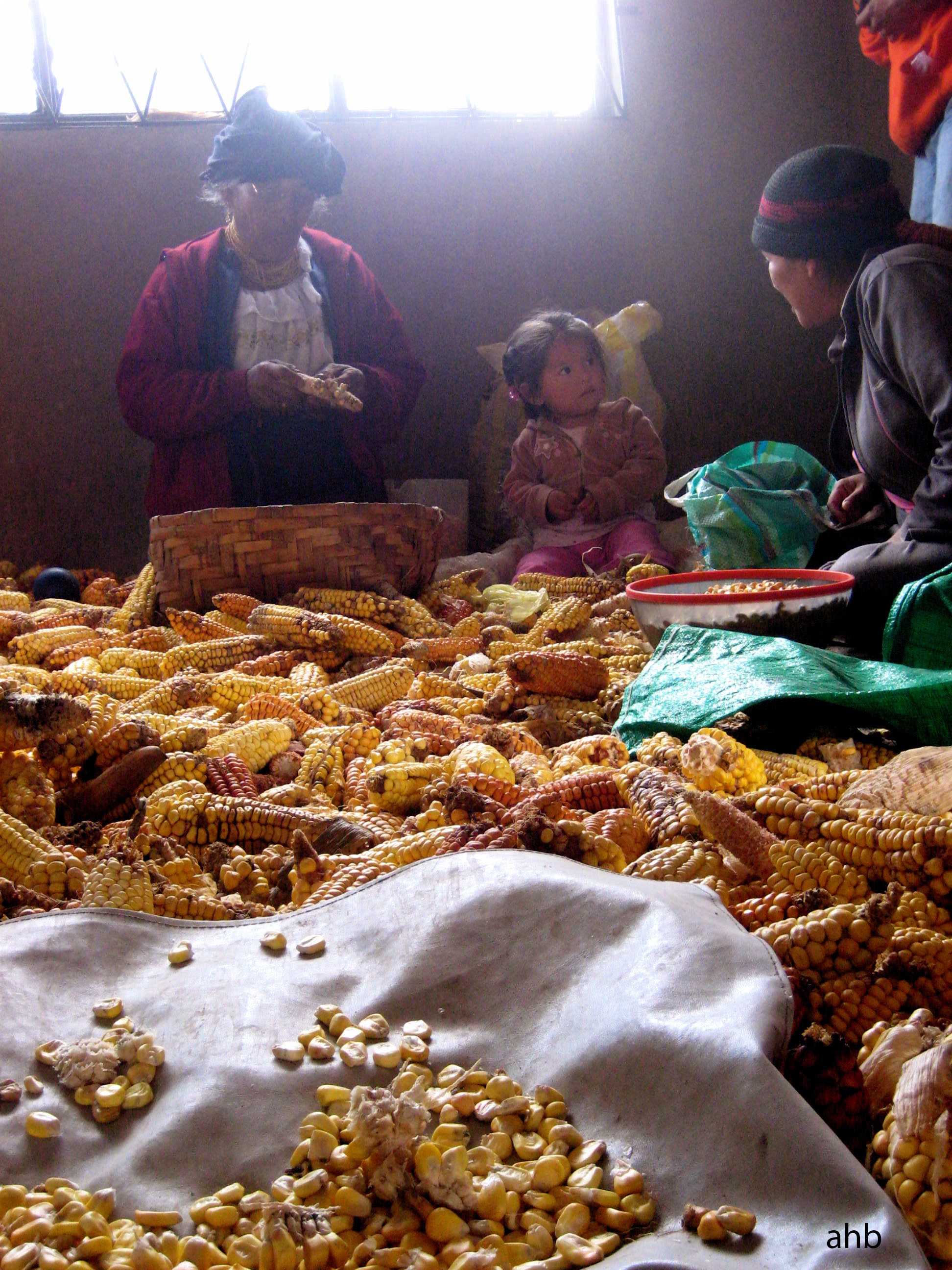
They reiterated the expected changes related to climate and pointed out that our food systems are predicated on stable climate. The global food supply depends on 3 species: maize, wheat and rice. The world food system is not working for many people …1/5 of population does not have food security. (Note: that means they are routinely hungry and probably sick and their human potential is seriously compromised). These 1 billion people tend to live in tropical or sub-tropical habitats, that will have larger declines in food production.
While there is progress in each of these areas according to the MDG reports, the facts about hunger and access to water, and the rate of environmental degradation stops you cold. In the presence of these realities I sometimes feel impatient with the academic approaches. I wish the speakers would stop saying food insecurity, burden of disease, and psychoocial distress, and say plainer words like, hunger, pain, suffering. And I am struck by how, in spite of the quality of these presentations, there was no place for the voices of the people who are most affected. While the public health practitioner in me understands the value of research and evidence-based approaches, I feel that leadership, social action and engagement are equally and perhaps more important in addressing these challenges. I know students feel this impulse toward action, and I take heart in the way they communicate, cross disciplines, and try to take on big problems one community at a time. As I left this session I overheard a frustrated conference goer who could not get in complain that students had taken up so many spots that there was not room for the conference participants. I, for one, was glad that the students got the front row.


 Reflections